

Google’s recent indication that it may soon allow publishers to opt out of having their content used in AI-generated summaries (or ‘AI Overviews’ for the less initiated) marks an important turning point in how publishers interact with search and AI technology. This shift stems from pressure by the UK’s Competition and Markets Authority (CMA) and reflects growing global concern about generative AI’s impact on publishers
As you may know, AI Overviews are AI-generated summaries displayed directly in Google’s search results, synthesising information from multiple web pages to provide users a quick answer without clicking through to the source. While useful for users, this feature has dramatically reduced referral traffic to publishers because users often get answers without ever visiting a publisher’s site.
Why This Matters: The Publisher Traffic Dilemma
For years, publishers have warned that AI features like Overviews undermine traditional web traffic. Because AI Overviews appear above organic results and address user queries directly, traditional click-through rates have plummeted — with independent research showing significant drops in traffic in categories including (and not limited to) health, how-to guides, recipes, and educational content.
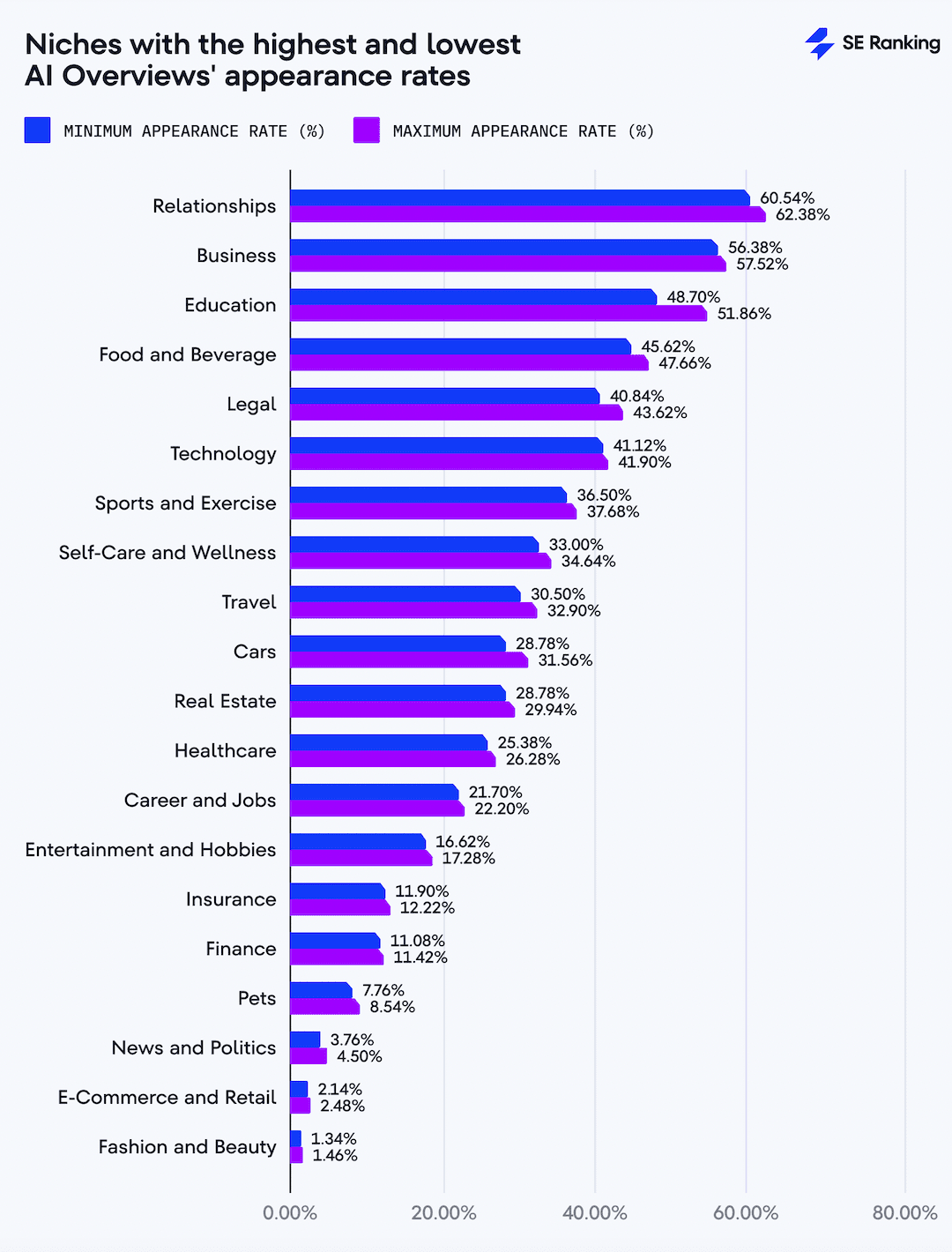
It’s therefore no surprise that without clicks to their sites, publishers lose out on advertising revenue, subscriber conversions, and brand engagement — all of which are core to their business models. From a search-marketing perspective, this trend also complicates the task of optimising content for visibility when Google’s AI serves answers before users ever scroll to organic listings.
What the Proposed Opt-Out Means
Under proposed rules being consulted on by the Competition and Markets Authority, Google would be required to offer publishers the ability to block their content from being used in AI Overviews and other AI features, while still allowing that content to appear in standard search results.
Google itself has said it’s exploring such controls after regulatory pressure. However, the company has signalled that any opt-out mechanism must not “break Search” or fragment user experience. As Ron Eden, Google’s principal for product management, said in a statement: “Any new controls need to avoid breaking search in a way that leads to a fragmented or confusing experience for people. As AI increasingly becomes a core part of how people find information, any new controls also need to be simple and scalable for website owners.”
Key Questions and Challenges Ahead
While opt-out controls are a promising development, there are still important questions and uncertainties to address:
What Will the Tools Actually Look Like?
Google’s statements emphasise caution — controls must keep search user experience intact. This raises questions about how granular the opt-out will be (site-wide vs. page-by-page) and how publishers will manage exceptions or toggles for different content types.
Opt Out is, quite frankly, a Ball-ache
The model proposed by Google means that all publishers will have opted into potential AI Overview inclusion unless they manually choose to opt out. Unless I am mistaken, that’s an instant ‘megatonne’ of additional work publishers now have to manage. This method is also somewhat disingenuous for publishers as it paints the erroneous impression that if you DON’T opt out, then you must be happy with the inclusion. This has NEVER been the case ever since publishers realised that AI Overviews negatively impacted clicks. It’s another example where a simple binary tool offered ‘freely and in good faith’ to publishers might have other consequences further down the line. Elric’s Stormbringer comes to mind.
Could AI Summary Usage Decline as a Result?
If many publishers opt out, you might think Google would need to rethink how AI Overviews are generated or risk reducing the quality of responses for certain queries. The sad fact here is that even if, by some miraculous fellowship-of-the-ring coming together, every single publisher did pull out - it’s only human nature that someone along the line will eventually crack. It’s a loaded game that favours the weakest link.
Will This Influence Broader Regulation?
Regulatory moves in the UK could inspire similar actions in the EU and United States. Already, antitrust and digital market laws are pushing tech platforms toward greater content control for publishers, suggesting that this is part of a larger trend rather than an isolated change.
Conclusion: A Turning Point for Publisher Rights in AI Search or Something Altogether More Confusing?
Google’s willingness to explore opt-out options for AI Overviews might appear like a meaningful step toward balancing the interests of AI innovation with the economic realities of content publishing. However, we should not lose focus of the bigger story here. This action by Google was not taken because it woke up one day and felt particularly friendly towards publishers.. It was a swift response to the much wider demands of the CMA.
As Stuart Forest has eloquently noted, we shouldn’t let a shiny new tool obfuscate what publishers have been asking for years from Google - namely, greater data transparency and greater granular control over how our content appears on a Google surface.
Overall, this is another interesting development for audience growth specialists as new functionality like this will not only affect optimisation strategies - it also highlights the growing regulatory influence over how generative AI intersects with search.
The CMS proposals are now out for consultation until 25 February after which a final decision will be taken. If you’re a publisher, get involved.
Related articles